Buy suedniedersachsen.eu ?
We are moving the project
suedniedersachsen.eu .
Are you interested in purchasing the domain
suedniedersachsen.eu ?
domain@kv-gmbh.de · 0541-91531010
Buy suedniedersachsen.eu ?
Is Napoleon Bonaparte megalomaniac?
Napoleon Bonaparte is often described as megalomaniacal due to his ambitious and power-hungry nature. He sought to expand his empire and conquer other nations, demonstrating a desire for control and dominance. His grandiose vision of himself as a ruler and his willingness to engage in military conquests to achieve his goals are often cited as evidence of his megalomania. However, some historians argue that his actions were driven by a desire to bring stability and order to Europe, rather than purely by personal ambition. Ultimately, whether or not Napoleon was megalomaniacal is a matter of interpretation and debate among historians. **
Is there a parallel in history between Napoleon Bonaparte and Hitler?
While both Napoleon Bonaparte and Adolf Hitler were powerful leaders who sought to expand their empires and exert control over Europe, there are significant differences between the two figures. Napoleon rose to power through military conquest and political maneuvering, while Hitler's rise to power was fueled by extreme nationalism and the exploitation of social and economic grievances. Additionally, Napoleon's ambitions were primarily focused on territorial expansion and establishing a French empire, whereas Hitler's goals included the extermination of entire populations and the establishment of a racially pure society. Overall, while there are some parallels in their leadership styles and ambitions, the contexts in which they operated and the extent of their atrocities make direct comparisons between Napoleon and Hitler problematic. **


Similar search terms for Bonaparte
Top-Angebote
Products related to Bonaparte:
-
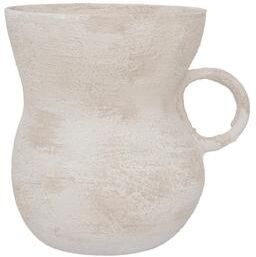
Urban Nature Culture Vase RelaxedQuiet elegancy comes to life in Urban Nature Culture's vase Relaxed. Handmade in Portugal, this ceramic vase has a shape beyond anything you've seen - it's organic, it flows and steals your heart with its playful ear.123,40 $*Shipping: 0,00 $Secure redirect to the provider
-
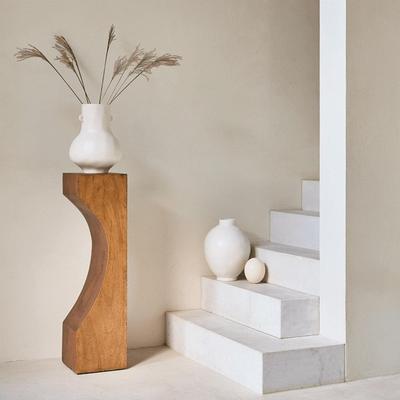
Urban Nature Culture Vase Talvi - WhiteFloating the sea waves, a sense of calm takes over, feeling at home in the world. That same feeling we get at home, like a safe haven to relax our senses and feast our eyes on our most cherished things.267,80 $*Shipping: 0,00 $Secure redirect to the provider

-
Is Napoleon Bonaparte popular in France?
Napoleon Bonaparte remains a controversial figure in France. While some view him as a great military leader and reformer who brought stability and modernization to the country, others see him as a dictator who imposed his rule through authoritarian means. His legacy is still debated, and his popularity varies among different segments of the population. Overall, Napoleon's impact on France is complex and continues to be a topic of discussion and debate. **
-
Where did Napoleon Bonaparte have his residence?
Napoleon Bonaparte had several residences throughout his life. One of his most famous residences was the Château de Malmaison, located in the western suburbs of Paris. This was the residence he shared with his first wife, Josephine. Additionally, he also had a residence at the Tuileries Palace in Paris, which served as the official residence of the French monarchs. Later in his life, he was exiled to the island of Saint Helena, where he lived in Longwood House until his death in 1821. **
-
Is it bad to like Napoleon Bonaparte?
It is not inherently bad to have an interest in Napoleon Bonaparte as a historical figure. He was a complex and influential figure in European history, and many people find his life and impact on the world to be fascinating. However, it is important to approach the study of Napoleon with a critical and balanced perspective, acknowledging both his accomplishments and his controversial actions. It is also important to be mindful of the perspectives of those who may have been negatively affected by his actions, such as the people he conquered or oppressed. Ultimately, it is possible to have an interest in Napoleon while also recognizing the complexities of his legacy. **
-
What were the problems of Napoleon Bonaparte?
Napoleon Bonaparte faced several problems during his rule, including military setbacks, economic challenges, and political opposition. His ambitious military campaigns ultimately led to overextension and defeat, such as the disastrous invasion of Russia in 1812. Additionally, his attempts to establish a continental blockade against Britain and his imposition of high tariffs on European trade caused economic hardship for many of his subjects. Furthermore, his autocratic rule and suppression of political dissent led to opposition from various factions within France and across Europe, ultimately contributing to his downfall. **


Was Napoleon Bonaparte really smaller than other people?
Napoleon Bonaparte was actually of average height for his time, standing at around 5 feet 6 inches, which was slightly taller than the average height for men in France during the late 18th and early 19th centuries. The misconception that he was significantly shorter than average likely stems from British propaganda and caricatures that sought to diminish his stature and power. In reality, Napoleon's height was not unusual for his era. **
What was the character of Napoleon Bonaparte like?
Napoleon Bonaparte was known for his ambition, intelligence, and charisma. He was a skilled military leader who rose to power during the French Revolution and eventually became Emperor of France. Napoleon was also known for his authoritarian rule and desire for power, which led to his conquest of much of Europe. Despite his accomplishments, he was also seen as ruthless and power-hungry, with a tendency to prioritize his own ambitions over the well-being of others. **
Top-Angebote
Products related to Bonaparte:
-
From the Archives: Black History and Culture Value PackThis brand-new series is rooted in a profound commitment to shedding light on some of the important -- and often lesser-known -- aspects of Black history. From the Archives features landmarks, events, people, and artistic endeavors that have played...27,99 $*Shipping: 0,00 $Secure redirect to the provider
-
Urban Nature Culture Vase RelaxedQuiet elegancy comes to life in Urban Nature Culture's vase Relaxed. Handmade in Portugal, this ceramic vase has a shape beyond anything you've seen - it's organic, it flows and steals your heart with its playful ear.123,40 $*Shipping: 0,00 $Secure redirect to the provider
-
Is Napoleon Bonaparte megalomaniac?
Napoleon Bonaparte is often described as megalomaniacal due to his ambitious and power-hungry nature. He sought to expand his empire and conquer other nations, demonstrating a desire for control and dominance. His grandiose vision of himself as a ruler and his willingness to engage in military conquests to achieve his goals are often cited as evidence of his megalomania. However, some historians argue that his actions were driven by a desire to bring stability and order to Europe, rather than purely by personal ambition. Ultimately, whether or not Napoleon was megalomaniacal is a matter of interpretation and debate among historians. **
-
Is there a parallel in history between Napoleon Bonaparte and Hitler?
While both Napoleon Bonaparte and Adolf Hitler were powerful leaders who sought to expand their empires and exert control over Europe, there are significant differences between the two figures. Napoleon rose to power through military conquest and political maneuvering, while Hitler's rise to power was fueled by extreme nationalism and the exploitation of social and economic grievances. Additionally, Napoleon's ambitions were primarily focused on territorial expansion and establishing a French empire, whereas Hitler's goals included the extermination of entire populations and the establishment of a racially pure society. Overall, while there are some parallels in their leadership styles and ambitions, the contexts in which they operated and the extent of their atrocities make direct comparisons between Napoleon and Hitler problematic. **
-
Is Napoleon Bonaparte popular in France?
Napoleon Bonaparte remains a controversial figure in France. While some view him as a great military leader and reformer who brought stability and modernization to the country, others see him as a dictator who imposed his rule through authoritarian means. His legacy is still debated, and his popularity varies among different segments of the population. Overall, Napoleon's impact on France is complex and continues to be a topic of discussion and debate. **
-
Where did Napoleon Bonaparte have his residence?
Napoleon Bonaparte had several residences throughout his life. One of his most famous residences was the Château de Malmaison, located in the western suburbs of Paris. This was the residence he shared with his first wife, Josephine. Additionally, he also had a residence at the Tuileries Palace in Paris, which served as the official residence of the French monarchs. Later in his life, he was exiled to the island of Saint Helena, where he lived in Longwood House until his death in 1821. **
Similar search terms for Bonaparte
-
Urban Nature Culture Vase Talvi - WhiteFloating the sea waves, a sense of calm takes over, feeling at home in the world. That same feeling we get at home, like a safe haven to relax our senses and feast our eyes on our most cherished things.267,80 $*Shipping: 0,00 $Secure redirect to the provider
-
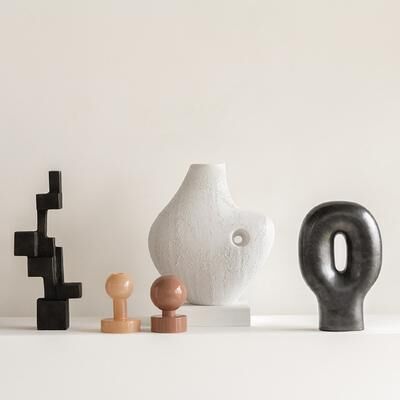
Urban Nature Culture Vase Ace - AceSetting forth a tradition that is centuries old, pottery has ever been one of Portugal's trades. Urban Nature Culture loves to work with Portuguese artisans - who use their skills to combine modern looks and contemporary design with techniques of old.145,60 $*Shipping: 0,00 $Secure redirect to the provider
-
Is it bad to like Napoleon Bonaparte?
It is not inherently bad to have an interest in Napoleon Bonaparte as a historical figure. He was a complex and influential figure in European history, and many people find his life and impact on the world to be fascinating. However, it is important to approach the study of Napoleon with a critical and balanced perspective, acknowledging both his accomplishments and his controversial actions. It is also important to be mindful of the perspectives of those who may have been negatively affected by his actions, such as the people he conquered or oppressed. Ultimately, it is possible to have an interest in Napoleon while also recognizing the complexities of his legacy. **
-
What were the problems of Napoleon Bonaparte?
Napoleon Bonaparte faced several problems during his rule, including military setbacks, economic challenges, and political opposition. His ambitious military campaigns ultimately led to overextension and defeat, such as the disastrous invasion of Russia in 1812. Additionally, his attempts to establish a continental blockade against Britain and his imposition of high tariffs on European trade caused economic hardship for many of his subjects. Furthermore, his autocratic rule and suppression of political dissent led to opposition from various factions within France and across Europe, ultimately contributing to his downfall. **
-
Was Napoleon Bonaparte really smaller than other people?
Napoleon Bonaparte was actually of average height for his time, standing at around 5 feet 6 inches, which was slightly taller than the average height for men in France during the late 18th and early 19th centuries. The misconception that he was significantly shorter than average likely stems from British propaganda and caricatures that sought to diminish his stature and power. In reality, Napoleon's height was not unusual for his era. **
-
What was the character of Napoleon Bonaparte like?
Napoleon Bonaparte was known for his ambition, intelligence, and charisma. He was a skilled military leader who rose to power during the French Revolution and eventually became Emperor of France. Napoleon was also known for his authoritarian rule and desire for power, which led to his conquest of much of Europe. Despite his accomplishments, he was also seen as ruthless and power-hungry, with a tendency to prioritize his own ambitions over the well-being of others. **
* All prices are inclusive of VAT and, if applicable, plus shipping costs. The offer information is based on the details provided by the respective shop and is updated through automated processes. Real-time updates do not occur, so deviations can occur in individual cases. ** Note: Parts of this content were created by AI.