Buy suedniedersachsen.eu ?
We are moving the project
suedniedersachsen.eu .
Are you interested in purchasing the domain
suedniedersachsen.eu ?
domain@kv-gmbh.de · 0541-91531010
Buy suedniedersachsen.eu ?
What is the difference between myths, legends, and folktales?
Myths are traditional stories that often explain the origins of the world, natural phenomena, and cultural beliefs. Legends are stories based on real events or people but often include exaggerated or fictional elements. Folktales are fictional stories passed down orally through generations, often teaching a moral lesson or entertaining listeners. While myths and legends are often rooted in a specific culture or belief system, folktales are more universal and can be found in various cultures around the world. **
What are the differences between fairy tales, myths, legends, and folktales?
Fairy tales are fictional stories often involving magical elements and typically have a moral lesson. Myths are traditional stories that explain natural phenomena, religious beliefs, or historical events, often involving gods and heroes. Legends are stories based on real events or people but have been exaggerated over time. Folktales are traditional stories passed down orally within a culture, often teaching a lesson or explaining cultural beliefs. Each genre has its own unique characteristics and serves different purposes within a culture. **
Similar search terms for Folktales
Top-Angebote
Products related to Folktales:
-
Chronicle Books Nordic Tales: Folktales from Norway, Sweden, Finland, Iceland, and Denmark (Nordic Folklore and Stories, Illustrated Nordic Book for Teens and Adults)Trolls haunt the snowy forests, and terrifying monsters roam the open sea.A young woman journeys to the end of the world, and a boy proves he knows no fear.This collection of 16 traditional tales transports readers to the enchanting world of Nordic folklore. Translated and transcribed by folklorists in the 19th century, and presented here unabridged, the stories are by turns magical, hilarious, cozy, and chilling. They offer a fascinating view into Nordic culture and a comforting wintertime read. Ulla Thynell's glowing contemporary illustrations accompany each tale, conjuring dragons, princesses, and the northern lights. This special gift edition features an embossed, textured case and a ribbon marker13,99 £*Shipping: 2,99 £Secure redirect to the provider
-
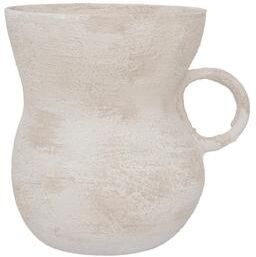
Urban Nature Culture Vase RelaxedQuiet elegancy comes to life in Urban Nature Culture's vase Relaxed. Handmade in Portugal, this ceramic vase has a shape beyond anything you've seen - it's organic, it flows and steals your heart with its playful ear.123,40 $*Shipping: 0,00 $Secure redirect to the provider



-
Is man a creature of nature or culture, or is culture the nature of man?
Man is a complex being influenced by both nature and culture. While humans are inherently part of the natural world, our behaviors, beliefs, and practices are largely shaped by the societies we live in. Culture can be seen as the nature of man in the sense that it is a fundamental aspect of human existence, shaping our identities and interactions with the world. Ultimately, the relationship between nature and culture is intertwined in shaping the essence of humanity. **
-
Is man a being of nature or culture, or is culture the nature of man?
Man is a being of both nature and culture. While humans are inherently a part of the natural world, our ability to create and participate in culture sets us apart from other species. Culture shapes our beliefs, behaviors, and interactions with the world, becoming an essential part of our identity. Therefore, culture can be seen as the nature of man, as it influences and defines our existence in profound ways. **
-
Is culture a form of nature?
Culture is not a form of nature, but rather a product of human society. While culture can be influenced by nature and the environment, it is distinct in that it is created, shared, and passed down through generations by humans. Nature refers to the physical world and natural phenomena, while culture encompasses the beliefs, customs, arts, and social behaviors of a particular group of people. **
-
Is man a being of nature or culture?
Man is a being of both nature and culture. While humans are a part of the natural world and share many characteristics with other animals, they also possess the ability to create and participate in complex cultural systems. Culture shapes human behavior, beliefs, and values, influencing how individuals interact with their environment. Ultimately, humans exist at the intersection of nature and culture, with both aspects playing a significant role in shaping their identities and experiences. **


What are electricity and high culture history?
Electricity history refers to the development and use of electricity as a form of energy, including the discovery of electricity, the invention of electric devices, and the establishment of electrical systems. High culture history, on the other hand, refers to the history of cultural and artistic achievements that are considered to be of high quality and sophistication, such as classical music, literature, fine arts, and theater. Both electricity and high culture history have evolved over time, shaping the way we live and appreciate the world around us. **
What is the difference between low culture and high culture in history?
Low culture refers to the cultural activities and products that are considered to be more common, popular, and easily accessible to the general public. This can include things like popular music, television shows, and mass-produced literature. On the other hand, high culture refers to the cultural activities and products that are considered to be more refined, sophisticated, and often associated with the elite or educated classes. This can include things like classical music, fine art, and literature that is considered to be more intellectually challenging. The distinction between low and high culture has been a source of debate and has evolved over time, but it generally reflects the social and class divisions within a society. **
Top-Angebote
Products related to Folktales:
-
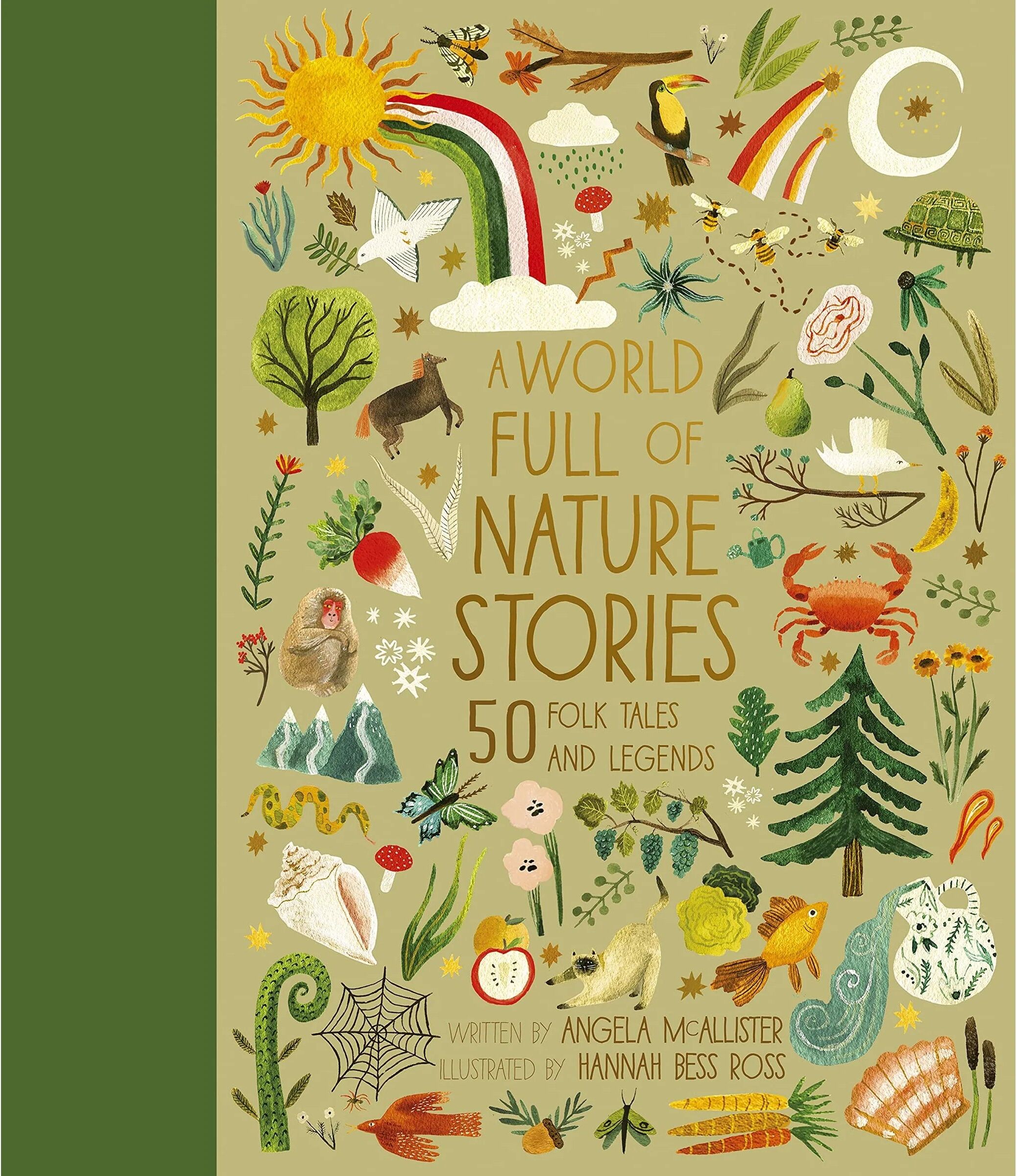
Frances Lincoln Children's Books A World Full of Nature Stories: 50 Folktales and Legends - Angela McAllister - Hardback Anthology - Ages 5-8 - Illustrated Nature Folktales Gift BookA beautifully produced hardback anthology, A World Full of Nature Stories: 50 Folktales and Legends is a collection of fifty folktales, myths, and legends celebrating animals, plants, and the changing seasons. Written by best-selling author Angela McAllister, this book takes young readers on a journey around the globe, illustrated throughout by Hannah Bess Ross. The stories are chosen to celebrate the natural world and humanity's connection to it, featuring tales from cultures across the world, such as the Peruvian tale of Cuniraya and the Magic Fruit and an ancient Khasi folk tale explaining the origin of lightning. This anthology makes a lasting gift for nature-loving children and families who enjoy sharing stories together.14,99 £*Shipping: 2,99 £Secure redirect to the provider
-
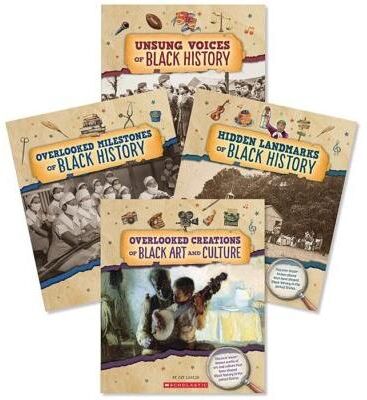
From the Archives: Black History and Culture Value PackThis brand-new series is rooted in a profound commitment to shedding light on some of the important -- and often lesser-known -- aspects of Black history. From the Archives features landmarks, events, people, and artistic endeavors that have played...27,99 $*Shipping: 0,00 $Secure redirect to the provider
-
Chronicle Books Nordic Tales: Folktales from Norway, Sweden, Finland, Iceland, and Denmark (Nordic Folklore and Stories, Illustrated Nordic Book for Teens and Adults)Trolls haunt the snowy forests, and terrifying monsters roam the open sea.A young woman journeys to the end of the world, and a boy proves he knows no fear.This collection of 16 traditional tales transports readers to the enchanting world of Nordic folklore. Translated and transcribed by folklorists in the 19th century, and presented here unabridged, the stories are by turns magical, hilarious, cozy, and chilling. They offer a fascinating view into Nordic culture and a comforting wintertime read. Ulla Thynell's glowing contemporary illustrations accompany each tale, conjuring dragons, princesses, and the northern lights. This special gift edition features an embossed, textured case and a ribbon marker13,99 £*Shipping: 2,99 £Secure redirect to the provider
-
What is the difference between myths, legends, and folktales?
Myths are traditional stories that often explain the origins of the world, natural phenomena, and cultural beliefs. Legends are stories based on real events or people but often include exaggerated or fictional elements. Folktales are fictional stories passed down orally through generations, often teaching a moral lesson or entertaining listeners. While myths and legends are often rooted in a specific culture or belief system, folktales are more universal and can be found in various cultures around the world. **
-
What are the differences between fairy tales, myths, legends, and folktales?
Fairy tales are fictional stories often involving magical elements and typically have a moral lesson. Myths are traditional stories that explain natural phenomena, religious beliefs, or historical events, often involving gods and heroes. Legends are stories based on real events or people but have been exaggerated over time. Folktales are traditional stories passed down orally within a culture, often teaching a lesson or explaining cultural beliefs. Each genre has its own unique characteristics and serves different purposes within a culture. **
-
Is man a creature of nature or culture, or is culture the nature of man?
Man is a complex being influenced by both nature and culture. While humans are inherently part of the natural world, our behaviors, beliefs, and practices are largely shaped by the societies we live in. Culture can be seen as the nature of man in the sense that it is a fundamental aspect of human existence, shaping our identities and interactions with the world. Ultimately, the relationship between nature and culture is intertwined in shaping the essence of humanity. **
-
Is man a being of nature or culture, or is culture the nature of man?
Man is a being of both nature and culture. While humans are inherently a part of the natural world, our ability to create and participate in culture sets us apart from other species. Culture shapes our beliefs, behaviors, and interactions with the world, becoming an essential part of our identity. Therefore, culture can be seen as the nature of man, as it influences and defines our existence in profound ways. **
Similar search terms for Folktales
-
Urban Nature Culture Vase RelaxedQuiet elegancy comes to life in Urban Nature Culture's vase Relaxed. Handmade in Portugal, this ceramic vase has a shape beyond anything you've seen - it's organic, it flows and steals your heart with its playful ear.123,40 $*Shipping: 0,00 $Secure redirect to the provider
-
Urban Nature Culture Vase Ace - AceSetting forth a tradition that is centuries old, pottery has ever been one of Portugal's trades. Urban Nature Culture loves to work with Portuguese artisans - who use their skills to combine modern looks and contemporary design with techniques of old.145,60 $*Shipping: 0,00 $Secure redirect to the provider
-
Is culture a form of nature?
Culture is not a form of nature, but rather a product of human society. While culture can be influenced by nature and the environment, it is distinct in that it is created, shared, and passed down through generations by humans. Nature refers to the physical world and natural phenomena, while culture encompasses the beliefs, customs, arts, and social behaviors of a particular group of people. **
-
Is man a being of nature or culture?
Man is a being of both nature and culture. While humans are a part of the natural world and share many characteristics with other animals, they also possess the ability to create and participate in complex cultural systems. Culture shapes human behavior, beliefs, and values, influencing how individuals interact with their environment. Ultimately, humans exist at the intersection of nature and culture, with both aspects playing a significant role in shaping their identities and experiences. **
-
What are electricity and high culture history?
Electricity history refers to the development and use of electricity as a form of energy, including the discovery of electricity, the invention of electric devices, and the establishment of electrical systems. High culture history, on the other hand, refers to the history of cultural and artistic achievements that are considered to be of high quality and sophistication, such as classical music, literature, fine arts, and theater. Both electricity and high culture history have evolved over time, shaping the way we live and appreciate the world around us. **
-
What is the difference between low culture and high culture in history?
Low culture refers to the cultural activities and products that are considered to be more common, popular, and easily accessible to the general public. This can include things like popular music, television shows, and mass-produced literature. On the other hand, high culture refers to the cultural activities and products that are considered to be more refined, sophisticated, and often associated with the elite or educated classes. This can include things like classical music, fine art, and literature that is considered to be more intellectually challenging. The distinction between low and high culture has been a source of debate and has evolved over time, but it generally reflects the social and class divisions within a society. **
* All prices are inclusive of VAT and, if applicable, plus shipping costs. The offer information is based on the details provided by the respective shop and is updated through automated processes. Real-time updates do not occur, so deviations can occur in individual cases. ** Note: Parts of this content were created by AI.