Buy suedniedersachsen.eu ?
We are moving the project
suedniedersachsen.eu .
Are you interested in purchasing the domain
suedniedersachsen.eu ?
domain@kv-gmbh.de · 0541-91531010
Buy suedniedersachsen.eu ?
Why has nature produced plants that are useless or harmful to itself?
Nature has produced plants that are useless or harmful to itself as a result of the process of evolution. In the natural world, there is a constant competition for resources, and some plants have evolved to produce toxins or other defenses to protect themselves from being eaten by herbivores. Additionally, some plants may have evolved traits that are no longer beneficial due to changes in their environment. While these plants may be harmful or useless to themselves, they may still play important roles in their ecosystems, such as providing food or habitat for other organisms. **
How are calendars produced?
Calendars are typically produced by graphic designers who create the layout and design of each page. Once the design is finalized, the calendar is printed using high-quality printing techniques to ensure clarity and color accuracy. The pages are then bound together, usually with a spiral or saddle-stitch binding, and any additional features such as a cover or stand are added. Finally, the calendars are packaged and distributed to retailers or directly to consumers. **


Similar search terms for Produced
Top-Angebote
Products related to Produced:
-
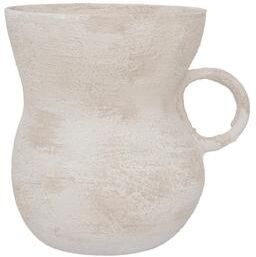
Urban Nature Culture Vase RelaxedQuiet elegancy comes to life in Urban Nature Culture's vase Relaxed. Handmade in Portugal, this ceramic vase has a shape beyond anything you've seen - it's organic, it flows and steals your heart with its playful ear.123,40 $*Shipping: 0,00 $Secure redirect to the provider



-
How is chloroacetone produced?
Chloroacetone is produced through the reaction of acetone with chlorine gas in the presence of a catalyst, such as aluminum chloride. The reaction involves the substitution of a hydrogen atom in acetone with a chlorine atom, resulting in the formation of chloroacetone. This process is typically carried out in a controlled environment due to the toxic and reactive nature of chlorine gas. Chloroacetone is an important intermediate in the production of various chemicals and pharmaceuticals. **
-
Where is Burberry produced?
Burberry produces its products in various countries around the world, including the United Kingdom, Italy, Poland, Romania, and China. The brand's iconic trench coats are primarily made in England, while other items such as clothing, accessories, and shoes are manufactured in different locations based on expertise and cost efficiency. Burberry maintains high standards of quality and craftsmanship regardless of where its products are produced. **
-
How is LevlUp produced?
LevlUp is produced using a carefully selected blend of ingredients that are sourced from high-quality suppliers. These ingredients are then mixed together in precise quantities to create the unique formula that gives LevlUp its energy-boosting and focus-enhancing properties. The production process follows strict quality control measures to ensure that each batch meets the highest standards of purity and effectiveness. Additionally, LevlUp is manufactured in state-of-the-art facilities that adhere to strict regulations to guarantee product safety and consistency. **
-
How is electricity produced?
Electricity is primarily produced by using various energy sources to rotate turbines, which then generate electricity through electromagnetic induction. The most common methods of electricity generation include burning fossil fuels like coal, natural gas, or oil, which heat water to produce steam that drives turbines. Renewable energy sources such as wind, solar, hydroelectric, and geothermal power also generate electricity by harnessing natural forces to turn turbines or create a flow of electrons. Nuclear power plants use nuclear reactions to heat water and produce steam for electricity generation as well. **


How is whey produced?
Whey is produced as a byproduct of the cheese-making process. When milk is curdled to make cheese, the liquid portion separates from the solid curds. This liquid is whey, which contains water, lactose, proteins, vitamins, and minerals. The whey is then separated from the curds and can be further processed to create whey protein supplements or used in various food products. **
How are silicones produced?
Silicones are produced through a chemical process called hydrolysis and polycondensation of siloxanes. Siloxanes are compounds made up of silicon, oxygen, carbon, and hydrogen atoms. These compounds are reacted with water and catalysts to form silicone polymers. The resulting silicone polymers can then be further processed and modified to create a wide range of silicone products with different properties and applications. **
Top-Angebote
Products related to Produced:
-
From the Archives: Black History and Culture Value PackThis brand-new series is rooted in a profound commitment to shedding light on some of the important -- and often lesser-known -- aspects of Black history. From the Archives features landmarks, events, people, and artistic endeavors that have played...27,99 $*Shipping: 0,00 $Secure redirect to the provider
-
Urban Nature Culture Vase RelaxedQuiet elegancy comes to life in Urban Nature Culture's vase Relaxed. Handmade in Portugal, this ceramic vase has a shape beyond anything you've seen - it's organic, it flows and steals your heart with its playful ear.123,40 $*Shipping: 0,00 $Secure redirect to the provider
-
Why has nature produced plants that are useless or harmful to itself?
Nature has produced plants that are useless or harmful to itself as a result of the process of evolution. In the natural world, there is a constant competition for resources, and some plants have evolved to produce toxins or other defenses to protect themselves from being eaten by herbivores. Additionally, some plants may have evolved traits that are no longer beneficial due to changes in their environment. While these plants may be harmful or useless to themselves, they may still play important roles in their ecosystems, such as providing food or habitat for other organisms. **
-
How are calendars produced?
Calendars are typically produced by graphic designers who create the layout and design of each page. Once the design is finalized, the calendar is printed using high-quality printing techniques to ensure clarity and color accuracy. The pages are then bound together, usually with a spiral or saddle-stitch binding, and any additional features such as a cover or stand are added. Finally, the calendars are packaged and distributed to retailers or directly to consumers. **
-
How is chloroacetone produced?
Chloroacetone is produced through the reaction of acetone with chlorine gas in the presence of a catalyst, such as aluminum chloride. The reaction involves the substitution of a hydrogen atom in acetone with a chlorine atom, resulting in the formation of chloroacetone. This process is typically carried out in a controlled environment due to the toxic and reactive nature of chlorine gas. Chloroacetone is an important intermediate in the production of various chemicals and pharmaceuticals. **
-
Where is Burberry produced?
Burberry produces its products in various countries around the world, including the United Kingdom, Italy, Poland, Romania, and China. The brand's iconic trench coats are primarily made in England, while other items such as clothing, accessories, and shoes are manufactured in different locations based on expertise and cost efficiency. Burberry maintains high standards of quality and craftsmanship regardless of where its products are produced. **
Similar search terms for Produced
-
Urban Nature Culture Vase Talvi - WhiteFloating the sea waves, a sense of calm takes over, feeling at home in the world. That same feeling we get at home, like a safe haven to relax our senses and feast our eyes on our most cherished things.267,80 $*Shipping: 0,00 $Secure redirect to the provider
-
Urban Nature Culture Vase Ace - AceSetting forth a tradition that is centuries old, pottery has ever been one of Portugal's trades. Urban Nature Culture loves to work with Portuguese artisans - who use their skills to combine modern looks and contemporary design with techniques of old.145,60 $*Shipping: 0,00 $Secure redirect to the provider
-
How is LevlUp produced?
LevlUp is produced using a carefully selected blend of ingredients that are sourced from high-quality suppliers. These ingredients are then mixed together in precise quantities to create the unique formula that gives LevlUp its energy-boosting and focus-enhancing properties. The production process follows strict quality control measures to ensure that each batch meets the highest standards of purity and effectiveness. Additionally, LevlUp is manufactured in state-of-the-art facilities that adhere to strict regulations to guarantee product safety and consistency. **
-
How is electricity produced?
Electricity is primarily produced by using various energy sources to rotate turbines, which then generate electricity through electromagnetic induction. The most common methods of electricity generation include burning fossil fuels like coal, natural gas, or oil, which heat water to produce steam that drives turbines. Renewable energy sources such as wind, solar, hydroelectric, and geothermal power also generate electricity by harnessing natural forces to turn turbines or create a flow of electrons. Nuclear power plants use nuclear reactions to heat water and produce steam for electricity generation as well. **
-
How is whey produced?
Whey is produced as a byproduct of the cheese-making process. When milk is curdled to make cheese, the liquid portion separates from the solid curds. This liquid is whey, which contains water, lactose, proteins, vitamins, and minerals. The whey is then separated from the curds and can be further processed to create whey protein supplements or used in various food products. **
-
How are silicones produced?
Silicones are produced through a chemical process called hydrolysis and polycondensation of siloxanes. Siloxanes are compounds made up of silicon, oxygen, carbon, and hydrogen atoms. These compounds are reacted with water and catalysts to form silicone polymers. The resulting silicone polymers can then be further processed and modified to create a wide range of silicone products with different properties and applications. **
* All prices are inclusive of VAT and, if applicable, plus shipping costs. The offer information is based on the details provided by the respective shop and is updated through automated processes. Real-time updates do not occur, so deviations can occur in individual cases. ** Note: Parts of this content were created by AI.