Buy suedniedersachsen.eu ?
We are moving the project
suedniedersachsen.eu .
Are you interested in purchasing the domain
suedniedersachsen.eu ?
domain@kv-gmbh.de · 0541-91531010
Buy suedniedersachsen.eu ?
Why is nature important for children?
Nature is important for children because it provides them with opportunities for exploration, creativity, and physical activity. Being in nature can help children develop a sense of wonder and curiosity about the world around them, as well as foster a deeper connection to the environment. Additionally, spending time in nature has been shown to have numerous physical and mental health benefits for children, including reducing stress, improving concentration, and promoting overall well-being. **
What are activities with children in nature?
Activities with children in nature can include hiking, exploring local parks, going on nature scavenger hunts, bird watching, camping, and gardening. These activities provide children with opportunities to connect with the natural world, learn about different plants and animals, and develop a sense of wonder and appreciation for the environment. Engaging in outdoor activities also promotes physical activity, creativity, and overall well-being for children. **

Similar search terms for Scholastic---Children-s
Top-Angebote
Products related to Scholastic---Children-s:
-
Spelling and Vocabulary practice activities for children ages 6-7 (Year 2). Perfect for Home Learning.: (Scholastic English Skills)Master spelling and vocabulary and build English skills This workbook supports children to develop their spelling and vocabulary skills through fun and engaging activities which will help motivate your child's learning and confidence. A progress chart is also included for children to colour in as chapters are completed, and an introduction chapter on how to use the book. Content is split into: Back to basics; New spellins work: consonants; Focus on vowel sound; Super suffixes; More suffixes; Homophones and tricky words; and Spelling words with apostrophes. Help children feel prepared, capable and ready to tackle new challenges at school. Use at home or in school. Quickly builds confidence through regular, achievable activities that encourage independent learning. Designed to complement the school curriculum, meaning children work at the right level, so nothing feels too hard or too easy. Includes extra notes and tips to reinforce skills.4,99 £*Shipping: 1,99 £Secure redirect to the provider
-
Usborne Beginners History 10 Books Collection Box Set Educational History Books for Children - Stone Age Iron Age - HARDCOVERUsborne Beginners History 10 Books Collection Box Set Stone Age Iron Age Egyptians Ancient Greeks .. Stone Age This simple information book follows the history of Stone Age people and how they lived. Iron Age This simple information book charts the history of Iron Age people and how they lived; including their farming methods; the gods they prayed to and the hill forts where they lived. Egyptians Who were the ancient Egyptians? Why did they build pyramids and how were mummies made? Ancient Greeks Find out about Ancient Greece; what people wore; ate and did for fun and learn about some of the most famous philosophers and mathematicians of the age in this compelling book for beginner readers. Celts Who were the Celts exactly? Did you know they lived on top of hills? Do you have any idea how Celtic warriors made themselves look really scary in battle? Romans Who were the ancient Romans? Where did they go to eat; shop and wash? What did they do for fun? The Maya Who were the Maya? Where did they live? Why did they build tall stone temples? Vikings Find out what it was like to be a Viking; and learn about Viking homes; feasts; boats; gods and much more in this fascinating book. Castles Who lived in a castle; and what was it like? Children can find out the answers to these questions and lots more about the wonderful world of castles in this informative book. Digging Up the Past How do ancient things get buried? Who digs them up? And what do they find? Beginner readers can find answers to these questions and more in this colourful information book. Related Tags: Usborne, Usbourne14,99 £*Shipping: 2,99 £Secure redirect to the provider
-
Martinelia Let´s be Mermaid Eyeshadow Palette eyeshadow for children 1 pcMartinelia Let´s be Mermaid Eyeshadow Palette, 1 pc, Kids’ Makeup For Kids, Fun comes first! Martinelia Let´s be Mermaid Eyeshadow Palette product will keep your kids occupied and help them feel like grown-ups. Not to mention the playful design is simply to die for. Characteristics: create natural eye makeup for a simple makeup look washes off easily with water washes out easily How to use: Apply shadows to the eyelids with a brush, foam applicator or fingertips.6,54 £*Shipping: 3,99 £Secure redirect to the provider



-
How can one bring children closer to nature?
One can bring children closer to nature by incorporating outdoor activities into their daily routine, such as going for nature walks, picnics, or camping trips. Providing opportunities for children to explore and play in natural environments, such as parks, forests, or beaches, can help foster a connection to the natural world. Additionally, involving children in gardening, birdwatching, or other nature-related hobbies can help them develop an appreciation for the beauty and importance of nature. Finally, teaching children about the environment, wildlife, and conservation can help them understand the interconnectedness of all living things and inspire them to protect and preserve the natural world. **
-
What is the history of the children?
The history of children is a complex and multifaceted one, shaped by cultural, social, and economic factors throughout time. In ancient societies, children were often viewed as property of their parents and had limited rights. During the Middle Ages, children were often put to work at a young age and had few opportunities for education. The concept of childhood as a distinct and important stage of life began to emerge during the Renaissance, and the 19th and 20th centuries saw significant advancements in child labor laws, education, and child welfare. Today, children's rights are recognized and protected by international conventions and laws, although challenges such as child labor, poverty, and access to education still persist in many parts of the world. **
-
What does the "s" in S-Bahn mean?
The "S" in S-Bahn stands for "Stadtschnellbahn" in German, which translates to "city rapid railway" in English. The S-Bahn is a type of urban commuter rail system found in many German cities and other European countries. It is designed to provide fast and efficient transportation within a city and its surrounding suburbs. **
-
Is man a creature of nature or culture, or is culture the nature of man?
Man is a complex being influenced by both nature and culture. While humans are inherently part of the natural world, our behaviors, beliefs, and practices are largely shaped by the societies we live in. Culture can be seen as the nature of man in the sense that it is a fundamental aspect of human existence, shaping our identities and interactions with the world. Ultimately, the relationship between nature and culture is intertwined in shaping the essence of humanity. **

Is man a being of nature or culture, or is culture the nature of man?
Man is a being of both nature and culture. While humans are inherently a part of the natural world, our ability to create and participate in culture sets us apart from other species. Culture shapes our beliefs, behaviors, and interactions with the world, becoming an essential part of our identity. Therefore, culture can be seen as the nature of man, as it influences and defines our existence in profound ways. **
What is the difference between s and Delta s?
The symbol 's' typically represents a distance or length in physics, while 'Δs' (Delta s) represents a change in distance or length. In other words, 's' is a specific value of distance, while 'Δs' represents the difference between two distances. For example, if an object moves 5 meters to the right, the distance 's' would be 5 meters, while the change in distance 'Δs' would also be 5 meters. **
Top-Angebote
Products related to Scholastic---Children-s:
-
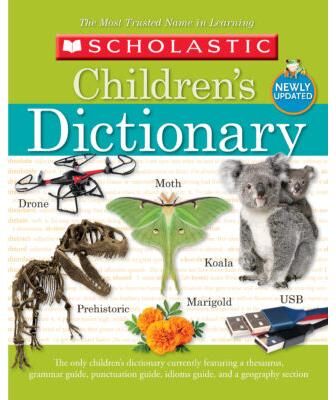
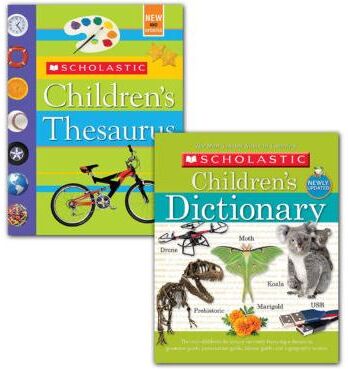
Scholastic Reference Scholastic Children's Dictionary (2019) (Hardcover) - ScholasticScholastic's trusted Children's Dictionary is back and bursting with up-to-date information on contemporary technological, scientific, and cultural terms, hundreds of new words, and in-depth sidebars featuring bold, colorful images. Featuring more...21,99 $*Shipping: 0,00 $Secure redirect to the provider
-
Comprehension practice activities for children ages 7-8 (Year 3). Perfect for Home Learning.(Scholastic English Skills)Comprehension practice activities for children ages 7-8 (Year 3). Perfect for Home Learning.(Scholastic English Skills) Subject: Comprehension Type: Workbook Ages: 7-8 This workbook helps to break down the skills children need to master to meet their curriculum objectives in a clear and fuss-free way. It supports children to develop their their comprehension skills using a mix of fiction and non-fiction texts through fun and engaging activities. Practice activities to use at home or in school Matched to National Curriculum requirements Quickly builds confidence and understanding Includes extra notes and tips to reinforce skills4,99 £*Shipping: 1,99 £Secure redirect to the provider
-
Spelling and Vocabulary practice activities for children ages 6-7 (Year 2). Perfect for Home Learning.: (Scholastic English Skills)Master spelling and vocabulary and build English skills This workbook supports children to develop their spelling and vocabulary skills through fun and engaging activities which will help motivate your child's learning and confidence. A progress chart is also included for children to colour in as chapters are completed, and an introduction chapter on how to use the book. Content is split into: Back to basics; New spellins work: consonants; Focus on vowel sound; Super suffixes; More suffixes; Homophones and tricky words; and Spelling words with apostrophes. Help children feel prepared, capable and ready to tackle new challenges at school. Use at home or in school. Quickly builds confidence through regular, achievable activities that encourage independent learning. Designed to complement the school curriculum, meaning children work at the right level, so nothing feels too hard or too easy. Includes extra notes and tips to reinforce skills.4,99 £*Shipping: 1,99 £Secure redirect to the provider
-
Why is nature important for children?
Nature is important for children because it provides them with opportunities for exploration, creativity, and physical activity. Being in nature can help children develop a sense of wonder and curiosity about the world around them, as well as foster a deeper connection to the environment. Additionally, spending time in nature has been shown to have numerous physical and mental health benefits for children, including reducing stress, improving concentration, and promoting overall well-being. **
-
What are activities with children in nature?
Activities with children in nature can include hiking, exploring local parks, going on nature scavenger hunts, bird watching, camping, and gardening. These activities provide children with opportunities to connect with the natural world, learn about different plants and animals, and develop a sense of wonder and appreciation for the environment. Engaging in outdoor activities also promotes physical activity, creativity, and overall well-being for children. **
-
How can one bring children closer to nature?
One can bring children closer to nature by incorporating outdoor activities into their daily routine, such as going for nature walks, picnics, or camping trips. Providing opportunities for children to explore and play in natural environments, such as parks, forests, or beaches, can help foster a connection to the natural world. Additionally, involving children in gardening, birdwatching, or other nature-related hobbies can help them develop an appreciation for the beauty and importance of nature. Finally, teaching children about the environment, wildlife, and conservation can help them understand the interconnectedness of all living things and inspire them to protect and preserve the natural world. **
-
What is the history of the children?
The history of children is a complex and multifaceted one, shaped by cultural, social, and economic factors throughout time. In ancient societies, children were often viewed as property of their parents and had limited rights. During the Middle Ages, children were often put to work at a young age and had few opportunities for education. The concept of childhood as a distinct and important stage of life began to emerge during the Renaissance, and the 19th and 20th centuries saw significant advancements in child labor laws, education, and child welfare. Today, children's rights are recognized and protected by international conventions and laws, although challenges such as child labor, poverty, and access to education still persist in many parts of the world. **
Similar search terms for Scholastic---Children-s
-
Usborne Beginners History 10 Books Collection Box Set Educational History Books for Children - Stone Age Iron Age - HARDCOVERUsborne Beginners History 10 Books Collection Box Set Stone Age Iron Age Egyptians Ancient Greeks .. Stone Age This simple information book follows the history of Stone Age people and how they lived. Iron Age This simple information book charts the history of Iron Age people and how they lived; including their farming methods; the gods they prayed to and the hill forts where they lived. Egyptians Who were the ancient Egyptians? Why did they build pyramids and how were mummies made? Ancient Greeks Find out about Ancient Greece; what people wore; ate and did for fun and learn about some of the most famous philosophers and mathematicians of the age in this compelling book for beginner readers. Celts Who were the Celts exactly? Did you know they lived on top of hills? Do you have any idea how Celtic warriors made themselves look really scary in battle? Romans Who were the ancient Romans? Where did they go to eat; shop and wash? What did they do for fun? The Maya Who were the Maya? Where did they live? Why did they build tall stone temples? Vikings Find out what it was like to be a Viking; and learn about Viking homes; feasts; boats; gods and much more in this fascinating book. Castles Who lived in a castle; and what was it like? Children can find out the answers to these questions and lots more about the wonderful world of castles in this informative book. Digging Up the Past How do ancient things get buried? Who digs them up? And what do they find? Beginner readers can find answers to these questions and more in this colourful information book. Related Tags: Usborne, Usbourne14,99 £*Shipping: 2,99 £Secure redirect to the provider
-
Martinelia Let´s be Mermaid Eyeshadow Palette eyeshadow for children 1 pcMartinelia Let´s be Mermaid Eyeshadow Palette, 1 pc, Kids’ Makeup For Kids, Fun comes first! Martinelia Let´s be Mermaid Eyeshadow Palette product will keep your kids occupied and help them feel like grown-ups. Not to mention the playful design is simply to die for. Characteristics: create natural eye makeup for a simple makeup look washes off easily with water washes out easily How to use: Apply shadows to the eyelids with a brush, foam applicator or fingertips.6,54 £*Shipping: 3,99 £Secure redirect to the provider
-
Scholastic Teaching Resources Scholastic Success With Grade 5 Value PackReinforce key skills with these exciting practice books!This set includes:Scholastic Success With Grade 5: Fractions & DecimalsScholastic Success With Grade 5: GrammarScholastic Success With Grade 5: MathScholastic Success With Grade 5: Math...41,59 $*Shipping: 0,00 $Secure redirect to the provider
-
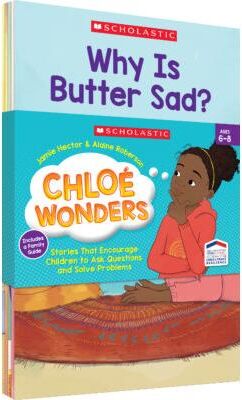
Scholastic Chloe WondersIntroducing Chloé - a curious kid with a lot of heart. Based on the real-life daughter of actor Jamie Hector, Chloé asks questions most children wonder about and builds key social-emotional skills as she solves them with her family's help. She...22,47 $*Shipping: 0,00 $Secure redirect to the provider
-
What does the "s" in S-Bahn mean?
The "S" in S-Bahn stands for "Stadtschnellbahn" in German, which translates to "city rapid railway" in English. The S-Bahn is a type of urban commuter rail system found in many German cities and other European countries. It is designed to provide fast and efficient transportation within a city and its surrounding suburbs. **
-
Is man a creature of nature or culture, or is culture the nature of man?
Man is a complex being influenced by both nature and culture. While humans are inherently part of the natural world, our behaviors, beliefs, and practices are largely shaped by the societies we live in. Culture can be seen as the nature of man in the sense that it is a fundamental aspect of human existence, shaping our identities and interactions with the world. Ultimately, the relationship between nature and culture is intertwined in shaping the essence of humanity. **
-
Is man a being of nature or culture, or is culture the nature of man?
Man is a being of both nature and culture. While humans are inherently a part of the natural world, our ability to create and participate in culture sets us apart from other species. Culture shapes our beliefs, behaviors, and interactions with the world, becoming an essential part of our identity. Therefore, culture can be seen as the nature of man, as it influences and defines our existence in profound ways. **
-
What is the difference between s and Delta s?
The symbol 's' typically represents a distance or length in physics, while 'Δs' (Delta s) represents a change in distance or length. In other words, 's' is a specific value of distance, while 'Δs' represents the difference between two distances. For example, if an object moves 5 meters to the right, the distance 's' would be 5 meters, while the change in distance 'Δs' would also be 5 meters. **
* All prices are inclusive of VAT and, if applicable, plus shipping costs. The offer information is based on the details provided by the respective shop and is updated through automated processes. Real-time updates do not occur, so deviations can occur in individual cases. ** Note: Parts of this content were created by AI.